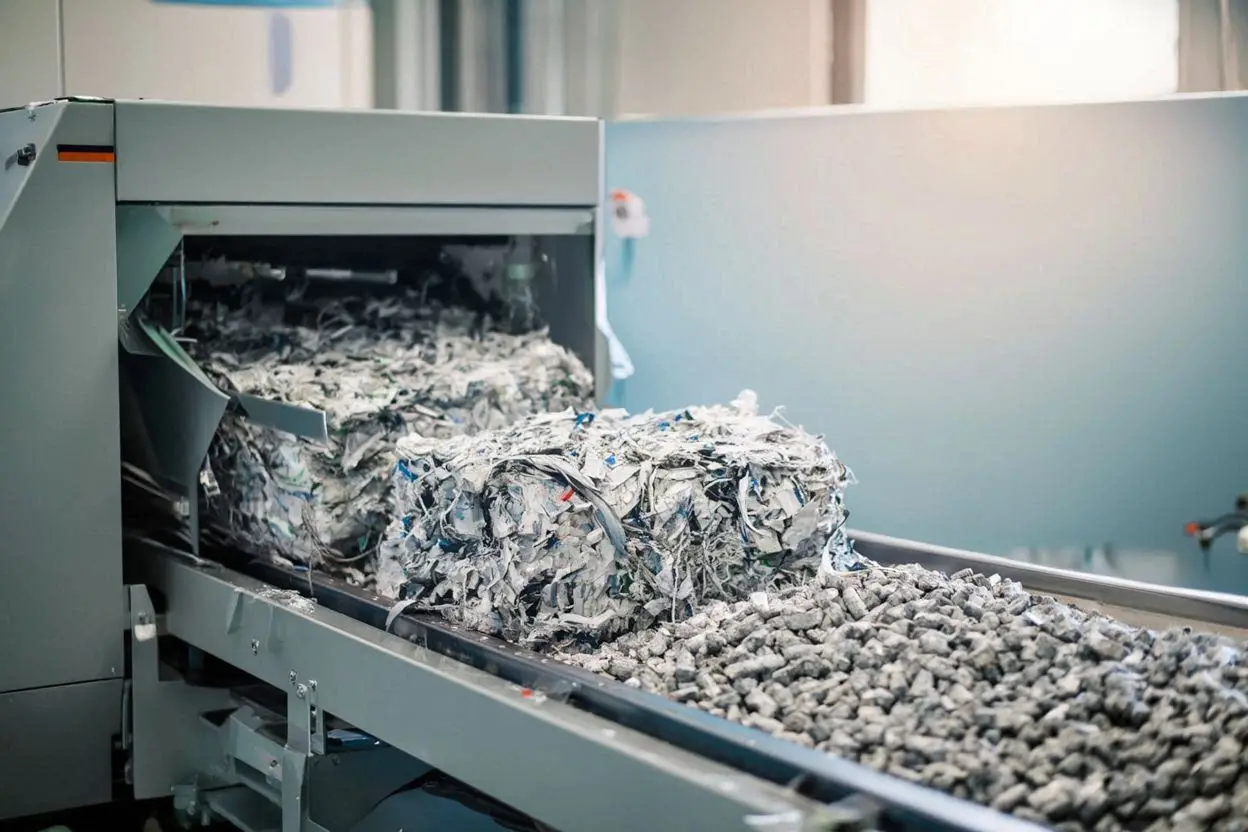
Waste Management Automation: Building a Smarter, Sustainable Future
The waste management sector is evolving rapidly, driven by increasing demands for sustainability, efficiency, and regulatory compliance. Companies are rethinking operations to recycle more effectively, reduce costs, renew resources, and reuse materials, creating smarter workflows that benefit both the environment and the bottom line.
Key Challenges in Waste Management
Waste management faces multiple operational and technological challenges:
- Digitalization – Leveraging data, IoT, and cloud solutions to gain insights and improve efficiency.
- Automation – Reducing manual labor, minimizing human errors, and streamlining repetitive tasks.
- Sustainability – Implementing eco-friendly technologies and energy-efficient practices.
- Circular Economy – Shifting from a linear “take-make-dispose” model to one focused on recycling and resource recovery.
- Cybersecurity – Protecting connected systems and critical infrastructure from cyber threats.
Transforming Operations with Smart Technology
Adopting modern technologies allows waste management companies to:
- Optimize asset utilization – Reduce downtime and extend the lifecycle of equipment.
- Accelerate ROI – Maximize productivity while controlling costs.
- Build resilience – Enhance safety, security, and operational continuity.
- Empower the workforce – Equip employees with tools, training, and AI-driven insights for safer, more efficient operations.
Automation and Digital Solutions
Automation and digital systems are key enablers:
- Intelligent sorting and recycling systems – Streamline material recovery and increase throughput.
- Energy generation from waste – Convert organic or landfill waste into renewable energy.
- Real-time monitoring – Digital dashboards and sensors provide actionable insights for operational improvements.
- Cybersecurity solutions – Protect digital assets, ensure compliance, and reduce vulnerability to attacks.
Levels of Automation in Waste Management
Waste automation can be applied in stages:
- Basic automation – Implement conveyor belts and simple mechanized systems.
- System-level automation – Use software to optimize scheduling, tracking, and reporting.
- Mechanized automation – Introduce robotics to support tasks such as sorting and material handling.
- Advanced automation – Fully integrate robotics with digital systems for seamless end-to-end operations.
Benefits of Automated Waste Management
Investing in automation and digital solutions delivers measurable benefits:
- Increased efficiency and throughput – Faster processing with fewer errors.
- Lower operational costs – Reduced labor and energy expenses.
- Improved compliance and safety – Real-time monitoring and standardized processes.
- Better resource management – Maximized reuse, recycling, and recovery of materials.
- Enhanced workforce productivity – Training, AI support, and monitoring tools boost performance.
Driving Sustainable and Resilient Operations
Modern waste management is about more than efficiency—it’s about creating sustainable, resilient, and future-ready operations. By integrating automation, digital technology, and circular economy principles, companies can reduce environmental impact, enhance profitability, and build a safer workplace.
See how our solutions can optimize your workflows, enhance productivity, and achieve measurable results.