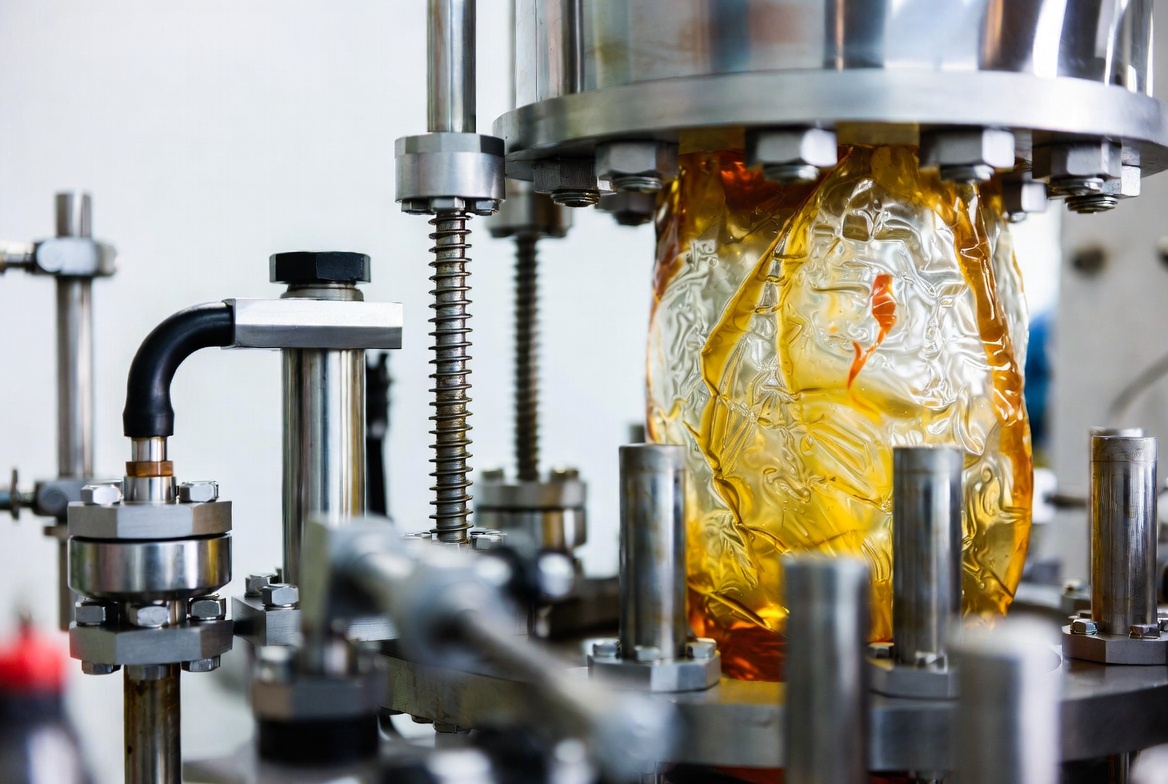
Advanced Chemical Plant Automation
Modern chemical manufacturing faces constant pressure to increase throughput, reduce downtime, and operate safely while meeting strict environmental and regulatory requirements. Advanced chemical plant automation combines process automation with digital technologies to create efficient, resilient, and data-driven production environments.
By integrating automation, analytics, and asset lifecycle management, chemical producers can significantly improve operational performance and long-term profitability.
What Is Advanced Chemical Process Automation?
Advanced chemical process automation connects control systems with digital tools to optimize production, maintenance, and decision-making. This approach reduces manual intervention, improves yield, and minimizes unexpected equipment failures.
Real-time equipment monitoring and predictive maintenance allow early detection of potential issues, helping plants avoid unplanned downtime. Advanced analytics deliver deeper insights into process performance, enabling continuous improvement, higher safety standards, and reduced waste.
The Connected Chemical Plant
A connected chemical plant integrates data from equipment, processes, and personnel into a single operational view. This enables manufacturers to:
- Improve asset utilization
- Reduce operational and support costs
- Minimize production risks
- Increase visibility across the entire plant
Connected operations support smarter decisions and faster responses to changing production conditions.
Achieving Efficiency and Flexibility in Chemical Production
Efficiency and flexibility are critical in industrial chemical manufacturing. Advanced automation solutions help producers deliver the right products at the right time and cost while maintaining consistent quality.
Key benefits include:
- Reduced cycle times
- Improved situational awareness for operators
- Higher asset utilization
- Easier system upgrades and expansions
Flexible automation architectures allow plants to modernize gradually without disrupting ongoing operations.
Process Optimization with Advanced Control Techniques
Process optimization technologies help stabilize complex, multivariable chemical processes. Predictive control methods analyze future process behavior and adjust operations proactively to maintain optimal conditions.
This results in:
- Lower energy consumption
- Reduced process variability
- Improved product consistency
- Increased production throughput
Advanced control strategies are especially valuable in energy-intensive and safety-critical chemical processes.
Benefits of Digital Transformation in Chemical Manufacturing
Digital transformation is reshaping chemical production by turning operational data into actionable insights. When automation and digital tools work together, manufacturers can achieve:
- Reduced unplanned downtime through predictive maintenance
- Improved maintenance planning and execution
- Higher workforce efficiency and safety
- Better control over production quality and costs
Digitalized maintenance and operational workflows also support long-term asset health and reliability.
Building Resilience in Chemical Operations
Many chemical plants operate with aging infrastructure, increasing the risk of failures and safety incidents. Modernizing automation and control systems helps reduce these risks while improving productivity.
Resilient plants benefit from:
- Improved process safety
- Better integration between safety and control systems
- Reduced exposure to operational and cybersecurity threats
A proactive modernization strategy allows plants to address current challenges while preparing for future demands.
Sustainability in Chemical Manufacturing
Sustainability is becoming a core priority for chemical producers. Automation and digital monitoring support environmentally responsible operations by helping to:
- Reduce energy consumption
- Lower emissions
- Minimize waste
- Optimize water and resource usage
Data-driven energy and emissions monitoring enables plants to identify inefficiencies and implement targeted improvements aligned with sustainability goals.
Preparing Chemical Plants for the Future
Future-ready chemical plants rely on connected systems, skilled operators, and intelligent automation. By adopting advanced process control, predictive analytics, and integrated architectures, manufacturers can adapt to market changes, regulatory demands, and technological evolution.
Conclusion
Advanced chemical plant automation is a strategic investment that delivers efficiency, safety, and sustainability. By combining automation with digital technologies and process optimization, chemical producers can reduce downtime, improve performance, and build resilient operations ready for future challenges.
See how our solutions can optimize your workflows, enhance productivity, and achieve measurable results.