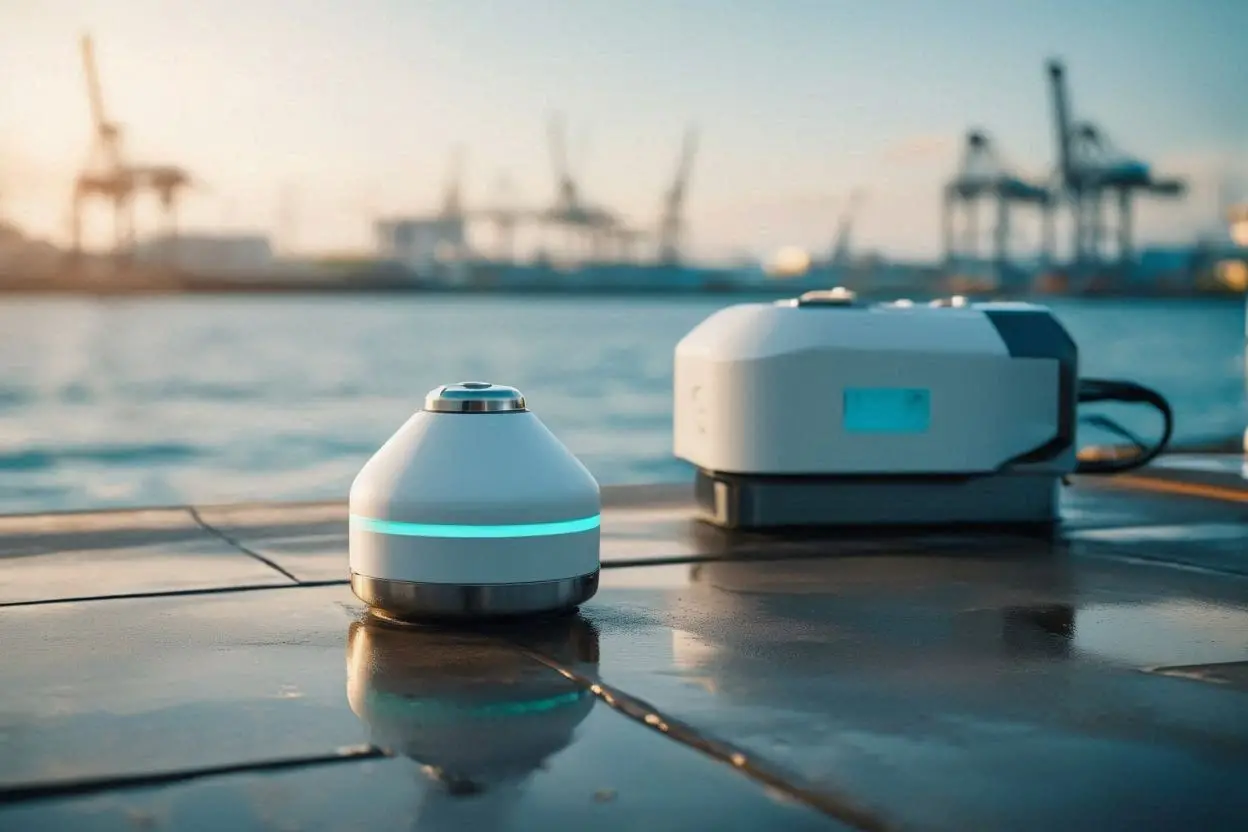
Marine Automation and Control Systems
The maritime industry is evolving rapidly, facing rising energy costs, stricter environmental regulations, and growing demand for multi-purpose vessels. Modern shipbuilders and operators must optimize performance, improve reliability, and reduce operational costs while ensuring safety and compliance.
Advanced marine automation and control systems provide end-to-end solutions for propulsion, ballast, engines, thrusters, and onboard systems, helping fleets operate efficiently and sustainably.
Challenges in Modern Maritime Operations
Shipbuilders and operators confront several key challenges:
- Increasing operational costs and energy consumption
- Meeting environmental regulations and sustainability goals
- Ensuring reliable performance across complex ship systems
- Maintaining safety and security for crew and assets
- Reducing downtime and extending the lifespan of equipment
Automation solutions help address these challenges by providing real-time monitoring, predictive maintenance, and integrated control.
Benefits of Marine Automation
Deploying automation systems aboard vessels delivers measurable benefits:
- Enhanced operational efficiency – optimized navigation, propulsion, and cargo handling
- Reduced human error – automated processes for engines, ballast, and thrusters
- Improved safety – real-time monitoring and emergency response systems
- Environmental compliance – automated emissions and ballast water management
- Predictive maintenance – continuous diagnostics to minimize equipment failures
- Streamlined communication – seamless data exchange between ship and shore
Core Systems in Marine Automation
Navigation and Control
Automated navigation systems, autopilot, and dynamic positioning keep vessels on course with minimal manual intervention.
Cargo Handling and Management
Automation assists in loading, unloading, and managing cargo efficiently, reducing labor requirements and optimizing storage.
Engine and Machinery Control
Automated monitoring and control of engines, thrusters, and auxiliary machinery improve performance and lower operational costs.
Safety and Security Systems
Real-time monitoring of fire, intrusion, and emergency systems enhances onboard safety and reduces risk.
Communication and Data Management
Automated systems allow reliable communication and remote diagnostics between vessels and shore operations.
Environmental Monitoring
Automation supports compliance with emissions, ballast water treatment, and other maritime regulations, reducing environmental impact.
Condition-Based Monitoring
Proactive monitoring of ship systems ensures continuous operation and asset protection. Key features include:
- Vibration analysis of propulsion and maneuvering systems
- Oil and lubrication monitoring
- Easy access to health data for critical shipboard equipment
These tools help reduce downtime, optimize maintenance schedules, and extend equipment lifespan.
Preconfigured Solutions for Marine Environments
Prepackaged, configurable enclosures are available to support:
- Machinery control systems (compressors, chillers, diesel engines)
- Hardwired I/O monitoring and control
- Harsh marine and offshore environments
These solutions simplify installation, ensure compliance with marine standards, and improve operational efficiency.
The Future of Connected Vessels
Connected vessel strategies integrate onboard and offshore teams, enabling:
- Autonomous vessel capabilities
- Real-time operational visibility
- Enhanced sustainability and safety
- Cybersecurity for industrial systems
By adopting digitalization across a fleet, operators can achieve cost savings, improved performance, and operational excellence throughout the vessel lifecycle.
Conclusion
Marine automation transforms how ships are designed, operated, and maintained. By integrating digital technologies, predictive maintenance, and real-time monitoring, maritime organizations can achieve greater efficiency, safety, and environmental compliance, while reducing costs and maximizing asset utilization.
See how our solutions can optimize your workflows, enhance productivity, and achieve measurable results.